
October 1, 2026
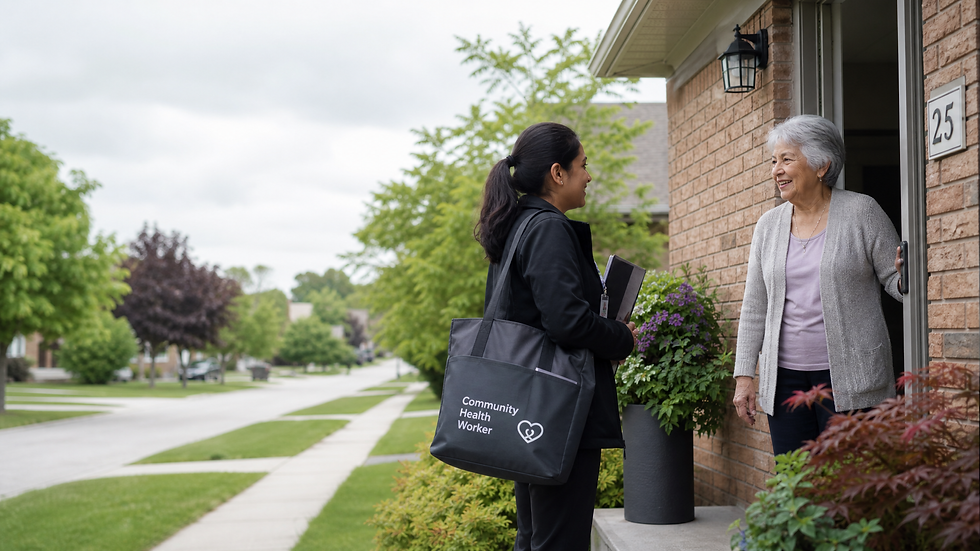
Ontario’s opioid crisis is not somebody else’s tragedy, filed under a younger generation. The Ontario Drug Policy Research Network recorded 1,087 opioid-toxicity deaths among older adults; nearly three quarters involved people aged 55 to 64. This senior health emergency is unfolding behind front doors, not where policy often imagines it.
Demand for care is rising too. Health-care interactions for opioid use disorder in older adults rose from 7,116 to 15,231 in one year, while opioid agonist treatment grew from 2,661 patients in 2013 to 13,370 in 2025. These figures do not prove every service gap has the same cause, but they establish this: older adults need a deliberate response, not a younger person’s framework with an age label pasted on.
The overlooked detail is location. About 80% of deaths happened in private homes, and only one in five occurred with another person present who might intervene. Harm reduction for seniors cannot stop at clinic doors. An older person managing pain, limited mobility, and isolation may not reach a program built around travel, office hours, or public disclosure. They believe dignity is practical: private, accessible screening is not a softer substitute for treatment; it can make treatment reachable.
Ontario should put an opioid use disorder check into routine conversations about pain medicines, falls, mobility, and changes in daily life, then offer direct referral to treatment and age-appropriate harm-reduction support. Picture a daughter accompanying her 72-year-old father after he becomes unsteady. The useful question is not, “Is he the kind of person who needs help?” Ask: “Could medication use be putting him at risk, and what support can begin today?” One quarter of those who died had visited a health-care provider during the preceding week. That appointment must become a doorway, not a missed signal.
Community teams, caregivers, clinicians, and legislators must make room for frank questions, privacy, and follow-through at home. Those same groups can insist that representation notices who is absent, not only who speaks. The evidence is limited to reported health-care and death patterns, so solutions require testing and listening. But silence is not caution. It is abandonment.
If you haven't yet signed up for our OLSC newsletter, SUBSCRIBE or better yet, help other seniors as a VOLUNTEER.
This article was created using research from the cited references below, a human editor and an AI-assisted workflow.
References:
Rising Opioid Use Disorder crisis hits older adults